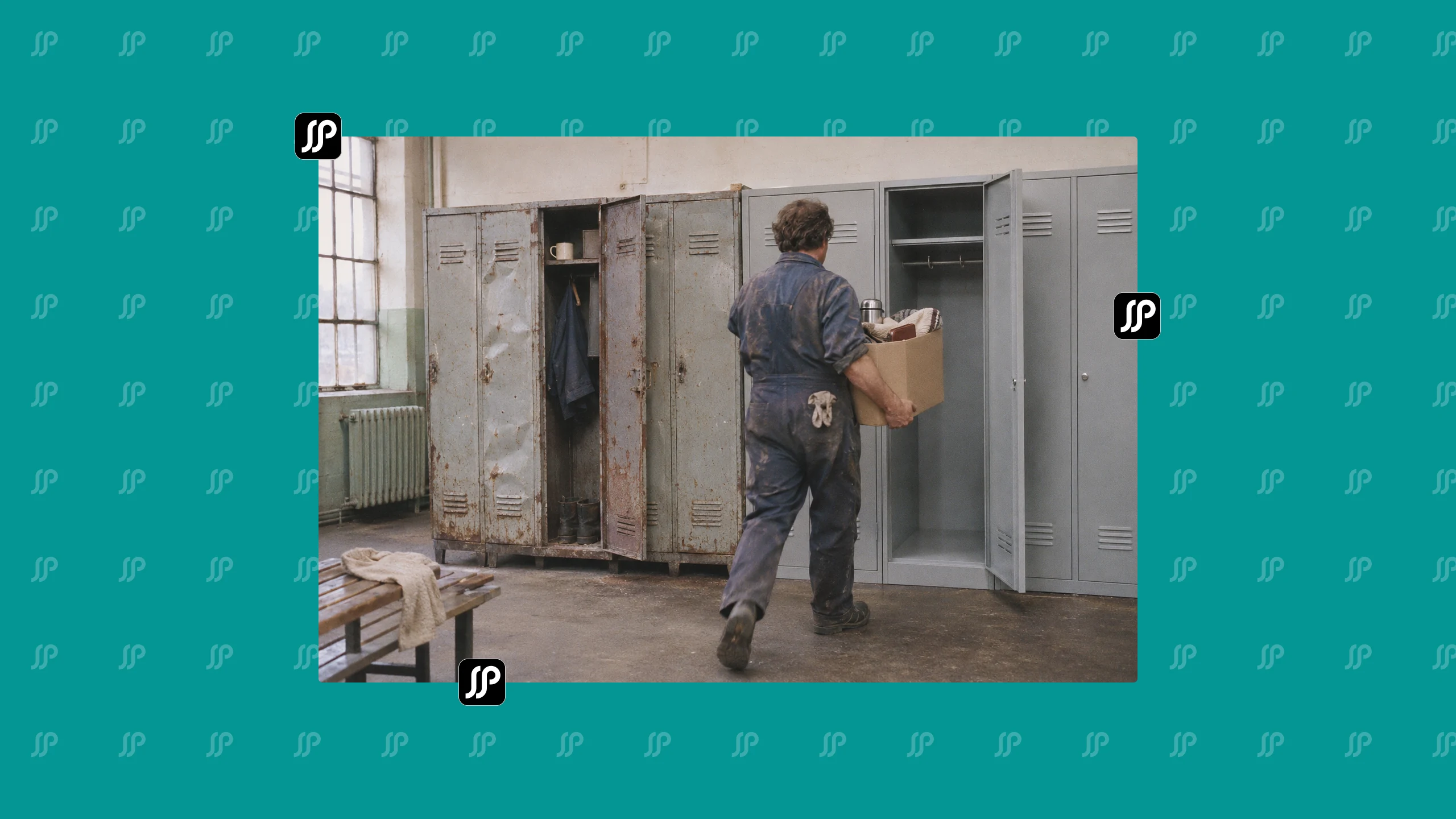
Burnout check-in questions for managers
Burnout check-in questions for managers, built on WHO’s definition and HSE’s six stress factors, plus early team signs to watch and where to refer.


A burnout check-in is a private conversation in which a manager asks about workload, control over the work, support, relationships, role clarity and change, and then agrees one thing to change. It is a conversation about work. It is not a diagnosis, and a manager should never tell someone they are burned out. The guide below takes about 20 minutes, follows the UK Health and Safety Executive’s six stress factors, and ends with where to refer someone who needs more than their manager can give.
| Section | Time | What you learn |
|---|---|---|
| 1. Opening | 2 min | Purpose, permission |
| 2. Demands | 4 min | Workload, hours, pace |
| 3. Control | 3 min | Say over how and when |
| 4. Support | 3 min | From you, colleagues, resources |
| 5. Relationships and role | 3 min | Conflict, clarity |
| 6. Change | 2 min | What is shifting under them |
| 7. One change and next steps | 3 min | An agreed action, signposting |
What is burnout, according to WHO?
The World Health Organization describes burn-out in ICD-11 as a syndrome resulting from chronic workplace stress that has not been successfully managed. It has three dimensions: exhaustion, increased mental distance from one’s job or cynicism about it, and reduced professional efficacy. WHO is explicit that it is an occupational phenomenon and is not classified as a medical condition.
That definition matters to managers in two ways. It places the cause in work that has not been managed, which is the part a manager can change. And it means the right questions are about the work. Mind’s Wellness Action Plan guide for line managers puts it plainly: burnout is not technically a diagnosis.
What causes burnout at work?
The HSE Management Standards cover six areas of work design that, if not properly managed, are associated with poor health, lower productivity and more sickness absence: demands, control, support, relationships, role and change. They are the backbone of the guide below.
Gallup’s research on burnout points in the same direction. Its five factors most highly correlated with burnout are unfair treatment at work, unmanageable workload, unclear communication from managers, lack of manager support and unreasonable time pressure. Two name the manager outright, and Gallup says all five are significantly influenced by manager behaviour. In the same article Gallup reports that 28% of employees say they are burned out “very often” or “always” at work.
What are the early signs of burnout in a team?
A manager sees the team before they see any one person clearly. HSE lists signs of stress in a team: arguments, higher staff turnover, more reports of stress, more sickness absence, decreased performance, and more complaints and grievances. In practice, the early versions look like this:
- Short sickness absences clustering on Mondays, or after the busiest week of the month, or in one shift.
- Overtime creep: hours that were extra in a peak week become the normal week. Emails sent late in the evening become routine.
- Cynicism in meetings. “We’ve tried that.” Jokes about the next initiative. People who used to argue for ideas stop offering them.
- Holiday balances building up because nobody feels they can be away.
- Small errors in work people know well, such as missed handovers or forgotten steps.
- Quiet withdrawal: cameras off, fewer questions, lunch eaten at the desk.
On a hospital ward, these might look like nurses staying past handover most shifts, the same two people picking up every extra bank shift, and sharp exchanges at the nurses’ station that would not have happened six months ago. None of these signs on its own says anything about a particular person’s health. Together they say the work has outgrown the people doing it, and that is when to start check-ins with everyone on the team, including the people who seem fine. Our post on the early signs of change fatigue covers the overlap when the pressure comes from repeated change.
Burnout check-in questions: the guide
Hold it somewhere private, at a time that is not the end of a bad shift. Ask about recent weeks and specific moments. Listen more than you talk.
1. Opening (2 minutes)
- How have the last few weeks been for you, honestly?
Before this, say why you are asking: you are checking in with everyone about workload and what gets in the way, and the aim is to change something. Say what you will do with what they tell you.
2. Demands (4 minutes)
- How manageable is your workload at the moment, compared with a normal month?
- When did you last finish a day with the work you planned actually done?
Follow up with:
- What is taking the most time that you think shouldn’t?
- How often are you working beyond your hours?
3. Control (3 minutes)
- How much say do you have over how and when you do your work?
Follow up with:
- Where would a bit more say make the biggest difference?
4. Support (3 minutes)
- When you are stuck or stretched, who do you go to?
- What could I do differently that would help?
Follow up with:
- Is there a resource, tool or person you are missing?
5. Relationships and role (3 minutes)
- Is anything in how the team works together making things harder?
- Are you clear about what is expected of you, and does anything pull in two directions?
6. Change (2 minutes)
- What has changed recently that has affected your work most?
7. One change and next steps (3 minutes)
- If we changed one thing in the next two weeks, what should it be?
- Is there anything else going on that you would like support with?
Agree the one change, write it down and put a date on it. Then make sure the person knows where else to go. If they describe feeling exhausted for weeks, losing sleep, or not coping, say that you will help with the work and that occupational health, your employee assistance programme or their GP can help with the rest. Give the details there and then. Do not try to assess how unwell someone is. Mind’s Wellness Action Plan is a good next step for anyone who wants to set out, in their own words, what keeps them well at work and what support helps.
What should a manager avoid in a burnout check-in?
- Don’t label. “You seem burned out” closes the conversation and makes a judgement you are not qualified to make.
- Don’t prescribe resilience training or meditation when the problem is two people’s work landing on one desk.
- Don’t make it a one-off. HSE says its Talking Toolkit should not be used in isolation as your only measure for preventing stress. The same goes for a single check-in. Follow up on the agreed change within a fortnight.
- Keep it out of performance reviews. If the check-in sits inside an appraisal, people will talk about what they achieved and keep quiet about what it cost.
How do you see the pattern across many teams?
One manager’s check-ins show one team. HR leaders need to know whether workload, control or support is the problem in a whole department, and managers are often part of the reason people hold back.
Spradley runs one-on-one interviews by text or voice, with a follow-up question on each answer, and finds team-level themes on workload, control and support only, with the quotes behind them, such as unplanned cover shifts or approvals that queue behind one person. It never detects, diagnoses or measures burnout, never identifies or flags an individual, and never shows numbers or ratings for fewer than five people. A leader’s Personal Agent can draft a conversation guide for the team that quotes no one, so the manager can open the topic without exposing anyone. When the leader commits to a change, such as capping cover shifts, Spradley sends a reminder at four and eight weeks until it is done. Our HR page explains how that sits next to an existing survey. If you also want to know whether people feel safe raising a problem before it becomes a crisis, see how to measure psychological safety.
Frequently asked questions
What questions should a manager ask to check for burnout?
Ask about workload, how much say people have over their work, the support they get, relationships, role clarity and recent change, then agree one thing to change. Keep it a conversation about work rather than an assessment of the person.
Is burnout a medical diagnosis?
No. WHO describes burn-out as an occupational phenomenon resulting from chronic workplace stress that has not been successfully managed, and does not classify it as a medical condition.
What are the early signs of burnout in a team?
Patterns in sickness absence, overtime that becomes normal, cynicism in meetings, leave not taken, small errors in familiar work and quiet withdrawal. HSE also lists arguments, higher turnover and more complaints as signs of stress in a team.
What should a manager do if someone seems very unwell?
Offer help with the work and point them to occupational health, the employee assistance programme or their GP. Do not try to assess or diagnose them yourself.
Key terms
- Burn-out (ICD-11)
- WHO’s term for a syndrome resulting from chronic workplace stress that has not been successfully managed, with exhaustion, cynicism and reduced efficacy.
- HSE Management Standards
- The UK Health and Safety Executive’s six areas of work linked to work-related stress: demands, control, support, relationships, role and change.
- Wellness Action Plan
- A personal plan, from the charity Mind, in which an employee sets out what keeps them well at work and what support helps.
- Employee assistance programme
- An employer-funded service that offers confidential counselling and advice to staff.