Change impact interview guide: before and after go-live
A two-part change impact interview guide: 20 minutes before go-live, 15 minutes after. Who to interview, questions and probes, and how to analyse them.

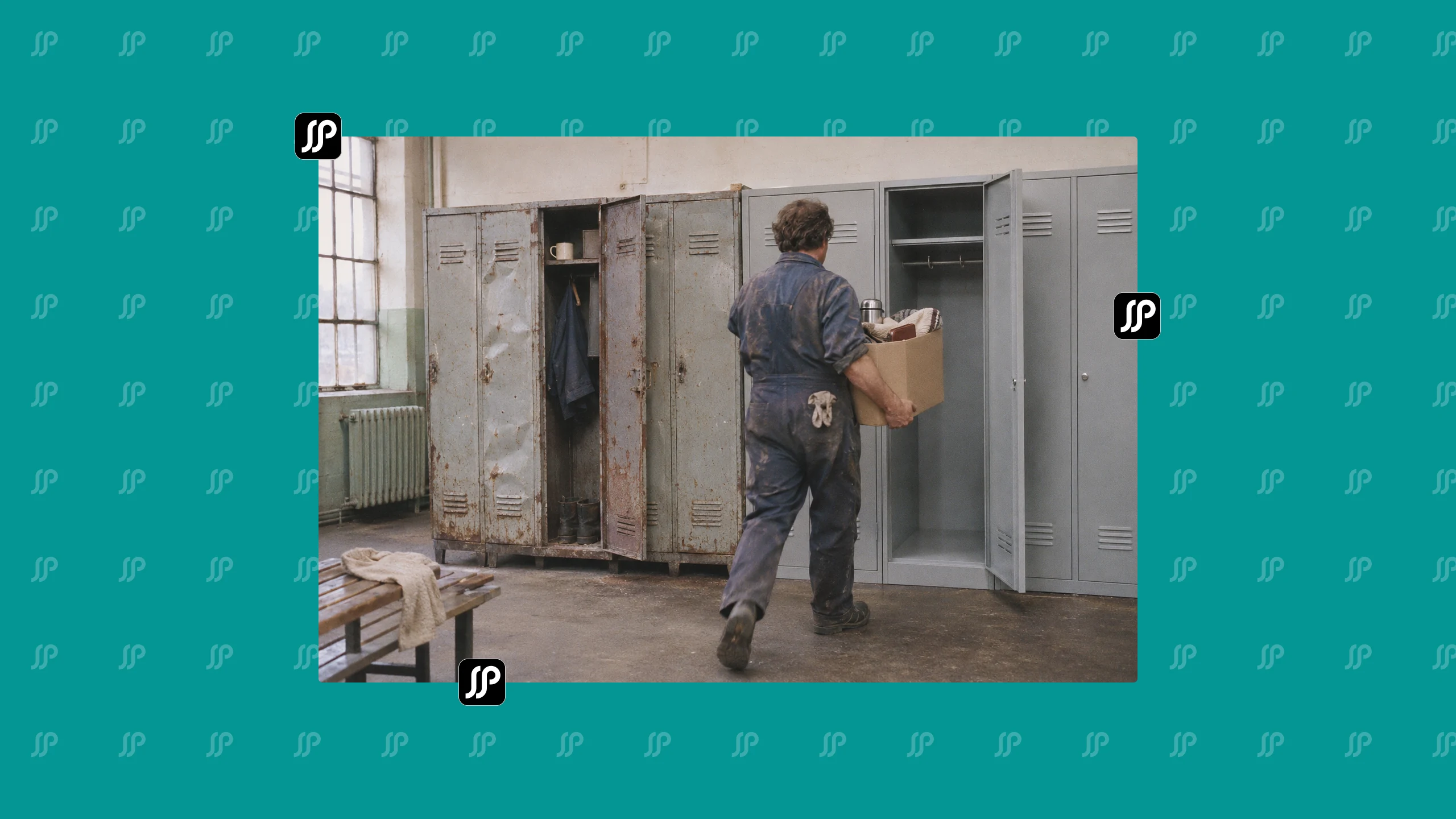
This change impact interview guide asks the people affected by a change what their work looks like today, what will be different for them, and later what actually changed after go-live. It comes in two parts: a 20-minute interview four to six weeks before go-live and a 15-minute follow-up with the same groups two to four weeks after. Comparing the two shows where your impact assessment was right and where the change landed differently.
| Section | Time | When |
|---|---|---|
| 1. Opening | 2 min | Before |
| 2. How the work runs today | 6 min | Before |
| 3. What changes for you | 6 min | Before |
| 4. What you need | 4 min | Before |
| 5. Close | 2 min | Before |
| 6. The first weeks | 6 min | After |
| 7. The old way | 4 min | After |
| 8. Getting help | 3 min | After |
| 9. Close | 2 min | After |
Who should you interview for a change impact assessment, and when?
Start from your list of impacted groups. Prosci’s guide to defining change impact lists ten aspects of a job a change can touch, from processes, systems and tools to job roles, reporting structure, performance reviews, compensation and location, and makes the point that a change which barely affects one group can completely disrupt another. Interview people from each group, including supervisors and the informal experts others go to for help.
A desk-based impact assessment usually sees the official process. The interviews find the spreadsheet the night shift keeps, the phone call that replaces a missing field, and the clerk who knows which supplier codes are wrong. Those are what break on go-live day.
Run part one four to six weeks before go-live, early enough to change training and support plans. Run part two two to four weeks after. If you also want a quick readiness check, our change readiness survey questions work alongside part one, and our post-go-live pulse survey can run between the interviews.
Part one: the change impact interview before go-live
Ask about real, recent work. “Take me through the last order you processed” gets the actual steps. “How does ordering work?” gets the process map.
1. Opening (2 minutes)
- What is your role, and which part of your work do you think this change touches?
Say briefly what the change is and what the interview is for: to plan training and support around how work is really done.
2. How the work runs today (6 minutes)
- Take me through the last time you did this task from start to finish.
- Where do you keep information that isn’t in the official system?
- When the normal process doesn’t work, what do you do instead?
Follow up with:
- Who else is involved at that step?
- How often does that happen in a typical week?
- Is that the same on every shift or site?
3. What changes for you (6 minutes)
- From what you know, which of those steps will be different after go-live?
- Will anything change in who you report to, how you’re measured or where you work?
- Which step do you expect to take longer, at least at first?
Follow up with:
- Where did you hear that?
- What would happen if that step took twice as long during your busiest week?
4. What you need (4 minutes)
- What would you need to know or practise to do this task confidently on day one?
- Who will people in your team ask when they get stuck?
Follow up with:
- Is there a time of year, month or week when go-live would be especially hard?
5. Close (2 minutes)
- What do you think the project team hasn’t understood about your work?
Part two: the follow-up interview after go-live
Interview the same groups, ideally the same people. Prosci’s metrics for measuring change management track how quickly people adopt a change, how many end up using it and how well, with the example of counting people using a new system at go-live, 10 days and 30 days after. System data gives you the counts. These questions tell you why.
6. The first weeks (6 minutes)
- Take me through the last time you did this task in the new way.
- What turned out easier than you expected, and what harder?
Follow up with:
- How long did it take compared with before?
- What did you have to check or correct?
7. The old way (4 minutes)
- Which parts of the old way are still around, such as a spreadsheet, a form or a phone call?
- When did you last use one of them, and why?
Follow up with:
- Is that a habit, or does the new way not cover it?
8. Getting help (3 minutes)
- The last time you got stuck, who did you ask and what happened?
9. Close (2 minutes)
- If you could fix one thing about the new way of working this week, what would it be?
How do you run it: a person or an AI interviewer?
A change manager or business analyst can run part one with ten or fifteen people and learn a lot. Part two is harder: by then the project team is busy with fixes, and people are reluctant to tell the team that built the system that they’ve gone back to the spreadsheet.
An AI interviewer can put the same guide to every impacted group in both rounds. Spradley runs one-on-one AI interviews by text or voice. Invitations go by email or Slack, people answer on their own phone or computer when it suits them, and the interviewer asks a follow-up on each answer, which is what the walk-through questions need. See our change management page for how teams use it around go-live.
How do you analyse change impact interviews into themes?
- For each impacted group, list the workarounds and unofficial tools from section 2. Each one is a risk on go-live day.
- Map what people expect to change (section 3) against your impact assessment. Gaps either way are findings.
- Group needs from section 4 into themes such as training, floor support, timing and access.
- After go-live, compare section 6 and 7 answers with the same group’s part-one answers. Note where impact was bigger or smaller than expected.
- Support each theme with two or three quotes, and show it by group and site.
Only report on groups of five or more people. Spradley shows nothing below that size, and its report groups answers into themes with the quotes behind them, by department.
Adapt it
- For a reorganisation with no new system, replace the task questions in section 2 with “Take me through a recent decision you made and who you involved.”
- For a site move, add location, travel and shift patterns to section 3.
- For frontline teams with little time, run sections 2, 3 and 5 as a ten-minute interview.
- For phased rollouts, use part two from the first wave to rewrite part one for the next.
Frequently asked questions
What is a change impact interview?
A short structured interview with people in an affected group about how they work today, what will change for them and what they need. It complements a desk-based impact assessment with how work is really done.
When should change impact interviews happen?
Four to six weeks before go-live, early enough to adjust training and support, and again two to four weeks after go-live with the same groups.
How many people should we interview?
Enough to cover every impacted group, site and shift, with at least five people in any group you report on.
Can a survey replace these interviews?
A survey can tell you how many people feel ready. It rarely finds the workarounds and unofficial tools that break on go-live day, which come out when people walk through a real task.
Key terms
- Change impact assessment
- A review of how a change affects each group's processes, systems, tools, roles and other aspects of their work, used to plan training and support.
- Impacted group
- A set of people whose work changes in the same way, such as warehouse pickers on one site or accounts payable clerks.
- Workaround
- An unofficial way of getting a task done when the official process or system does not cover it, such as a private spreadsheet.
- Go-live
- The date a new system, process or structure starts being used for real work.
- Theme with quotes
- A recurring point across many interviews, reported with a few direct quotes that show what people meant.