Gemba, kaizen and improvement ideas from frontline staff
How operations leaders find where processes break, from the people doing the work: gemba walks, huddles, idea systems, and questions to ask.


Operations leaders find out where processes break by going to where the work happens and asking the people who do it. Gemba walks, daily huddles and idea systems are the usual tools for continuous improvement. They work when every idea gets an answer, and when you also hear from the shifts, sites and people a walk never reaches.
What do gemba and kaizen mean?
Gemba is the Japanese term for the actual place. The Lean Enterprise Institute uses it for “the place where value is created”: the shop floor, the ward, the warehouse aisle, the call queue. A gemba walk is a management practice for understanding the current situation by observing and asking questions before acting. LEI frames the walk around the purpose of the process, how the process actually works, and whether the people in it are engaged in improving it.
Kaizen means continuous improvement. On the floor that looks like small, frequent changes made by the people closest to the problem. Healthcare uses the same idea under a different name. NHS England describes quality improvement as a systematic approach that involves those closest to the issue in understanding it, developing ideas and testing them in rapid cycles.
How do operations leaders find where processes break?
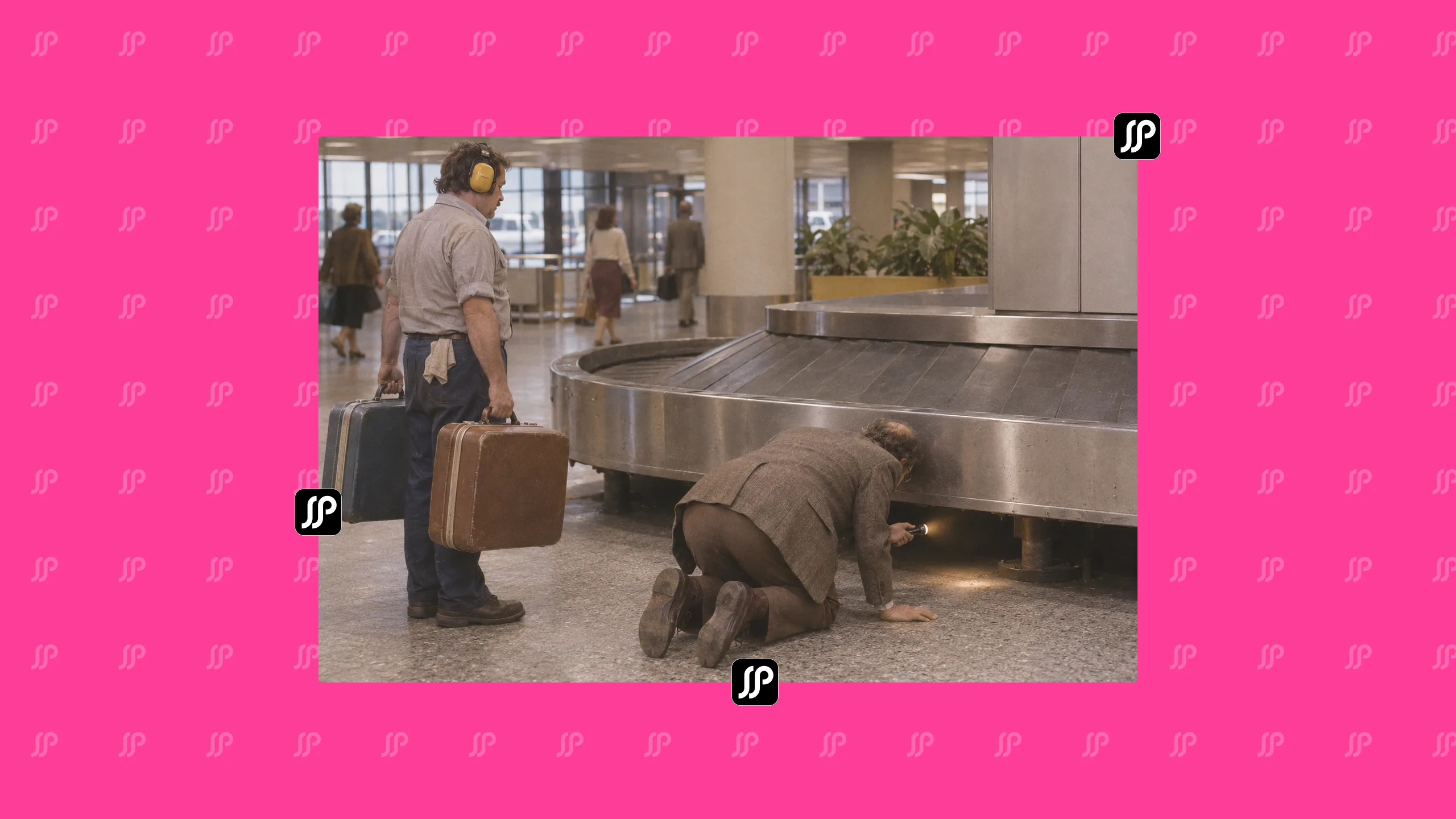
Look for the workarounds. Every process that breaks regularly has one, and the people on the floor know it by heart. The evening shift that pre-stages pallets because replenishment comes late. The nurse who keeps a spare charger because the ward has too few. The setter who skips a checklist step because the part it refers to was redesigned last year.
Workarounds are useful twice over. They show exactly where the standard process fails, and they often contain the fix. They are also invisible in most data, because the output still arrives on time. You only find them by asking, and people only tell you if they don’t expect to get in trouble for the workaround.
How should you run a gemba walk that finds real problems?
- Go to watch the work and learn. Stand where the work happens, at the time it is hardest, which is often the night shift or the handover.
- Ask open questions and let people show you. “Show me how you do this” gets more than “Any problems?”
- Ask about the process, never about who made a mistake.
- Write down what you heard and come back with an answer.
Gemba-style questions to ask
- Walk me through your last shift. Where did you lose time?
- What do you do every day that you think shouldn’t be necessary?
- Which workaround do you use most, and why?
- What do you need that isn’t here when you need it?
- When something goes wrong, who do you tell, and what happens next?
- What do new colleagues struggle with most?
- If you ran the shift for a week, what would you change first?
Where do daily huddles fit in continuous improvement?
The huddle is where problems from the floor get raised every day. The Institute for Healthcare Improvement describes a huddle as a short stand-up meeting of ten minutes or less, usually at the start of the day or of each major shift, where the team looks back at performance and looks ahead to flag concerns. Factories, warehouses and depots run the same format around a board.
Huddles are good at the fast, local problems: a missing tool, a late delivery, a machine that needs attention. They are weaker on problems that cross teams or involve the person running the huddle, and on anything people are uneasy saying in front of colleagues.
Why do suggestion boxes and idea systems go quiet?
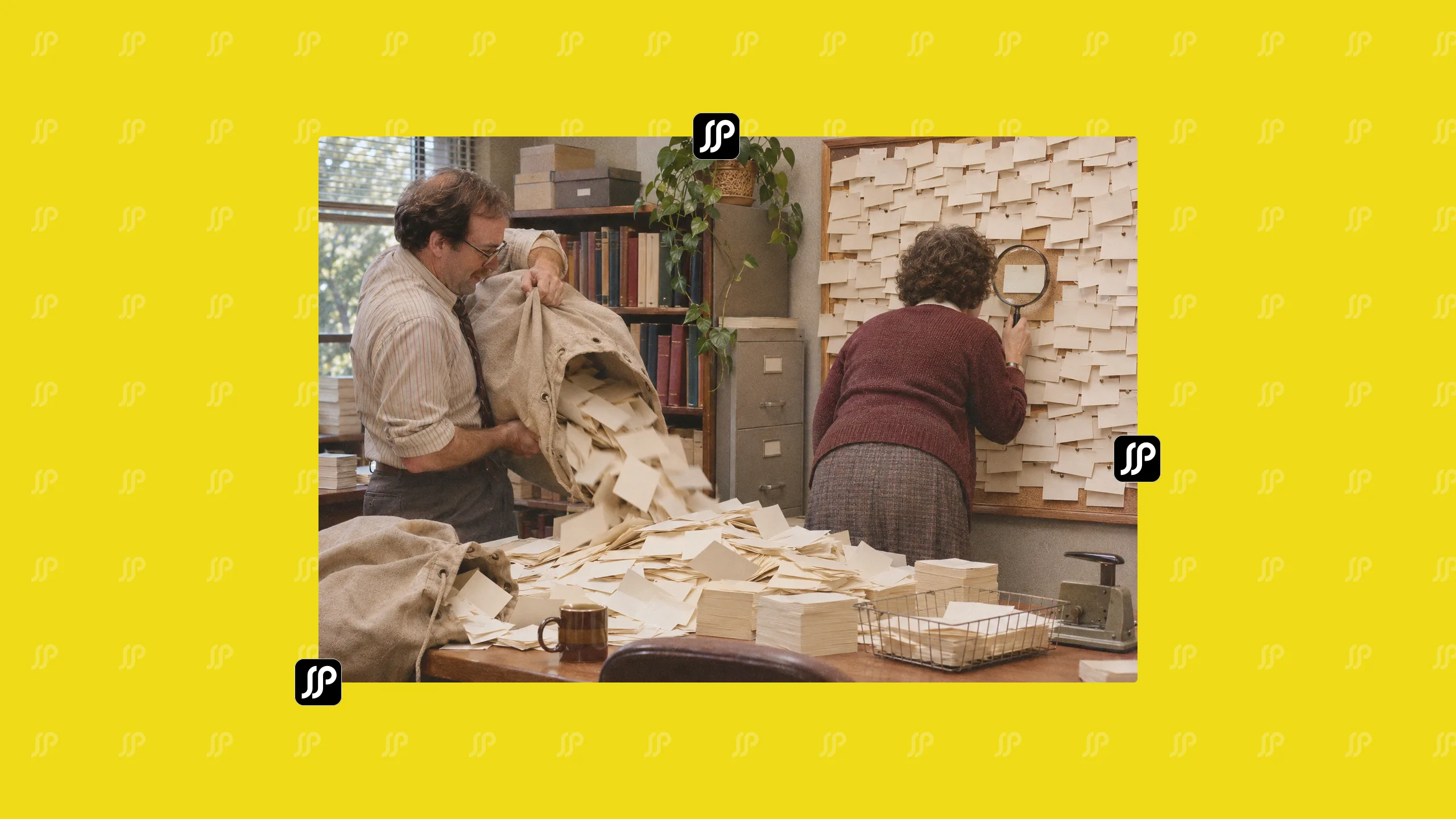
Because ideas go in and nothing comes back. The first few ideas get a polite thank-you, then sit in a spreadsheet waiting for a decision. Within a few months people stop writing them down, and managers conclude that the floor has run out of ideas. What ran out was the replies.
Gallup (2023) describes a client that collected more than 9,000 responses to an ideas survey and then did nothing with them for months, to the frustration of the people who had taken part. Its advice is to have a plan to communicate and act before asking.
Idea systems stay alive when they follow a few simple rules:
- Every idea gets a reply within a set time, even if the reply is no.
- Small ideas can be approved by the team leader on the spot.
- Implemented ideas are shown on the board with the name of the team that raised them.
- Rejected ideas get a reason people can understand.
How do structured interviews complement the gemba walk?
A gemba walk sees one area, on one shift, with the people who happen to be there and willing to talk with a manager standing next to them. It is worth doing, and it is narrow. The night shift, the second site, the agency staff and the quiet operator who would never raise a problem in front of a supervisor are mostly missing.
Structured interviews fill that gap. You ask everyone the same gemba-style questions, in private, on their own time, and compare the answers across shifts and sites. The walk then has a sharper purpose: you go to the gemba to see the three workarounds that came up most, and to test the fixes people proposed.
That is the job Spradley does for operations teams. Each person gets a personal link by email or Slack and answers a one-on-one AI interview on their own phone, by voice or text. The interviewer follows up on each answer, so “replenishment is late” becomes which aisle, which shift and what people do instead. The report groups the answers into themes with the quotes behind them and compares sites or shifts, with numbers and ratings never shown for fewer than five people. One limit: everyone needs a work email address or Slack account, or the employer has to provide one, as Spradley has no SMS, kiosk or QR code option. Read more on our operational excellence page.
If your improvement work is on a production site, our guide on how to survey factory floor workers covers shifts, languages and paid time. For other sectors, start with feedback from frontline shift workers.
Frequently asked questions
What is a gemba walk?
A gemba walk is a management practice of going to where the work happens to observe it and ask questions before acting. The Lean Enterprise Institute frames it around the purpose of the process, how it actually works and whether people are engaged in improving it.
How do I get frontline input for continuous improvement?
Combine gemba walks and daily huddles with a way for everyone to contribute privately, then answer every idea within a set time. Systems that never reply go quiet within months.
How do you find workarounds in a process?
Ask the people doing the work what they do every day that shouldn't be necessary and which workaround they use most. Workarounds rarely show in output data, so asking is the only reliable way to find them.
Can interviews replace gemba walks?
No. Interviews tell you where to look across every shift and site; the gemba walk is where you see the problem and test the fix with the people involved.
Key terms
- gemba
- Japanese for “the actual place”: where value is created, such as the shop floor, the ward or the warehouse aisle.
- gemba walk
- A management practice of going to where the work happens to observe and ask questions before acting.
- kaizen
- Continuous improvement through small, frequent changes made by the people closest to the problem.
- huddle
- A short stand-up meeting, usually ten minutes or less at the start of a day or shift, where a team looks back at performance and flags concerns.
- workaround
- An unofficial way of getting a task done when the standard process or system falls short. Workarounds show exactly where a process breaks.