Why Nothing Changes After Your Employee Survey
Survey follow-through breaks at four points. Check your last cycle for the sign each one leaves, and find where yours stopped.

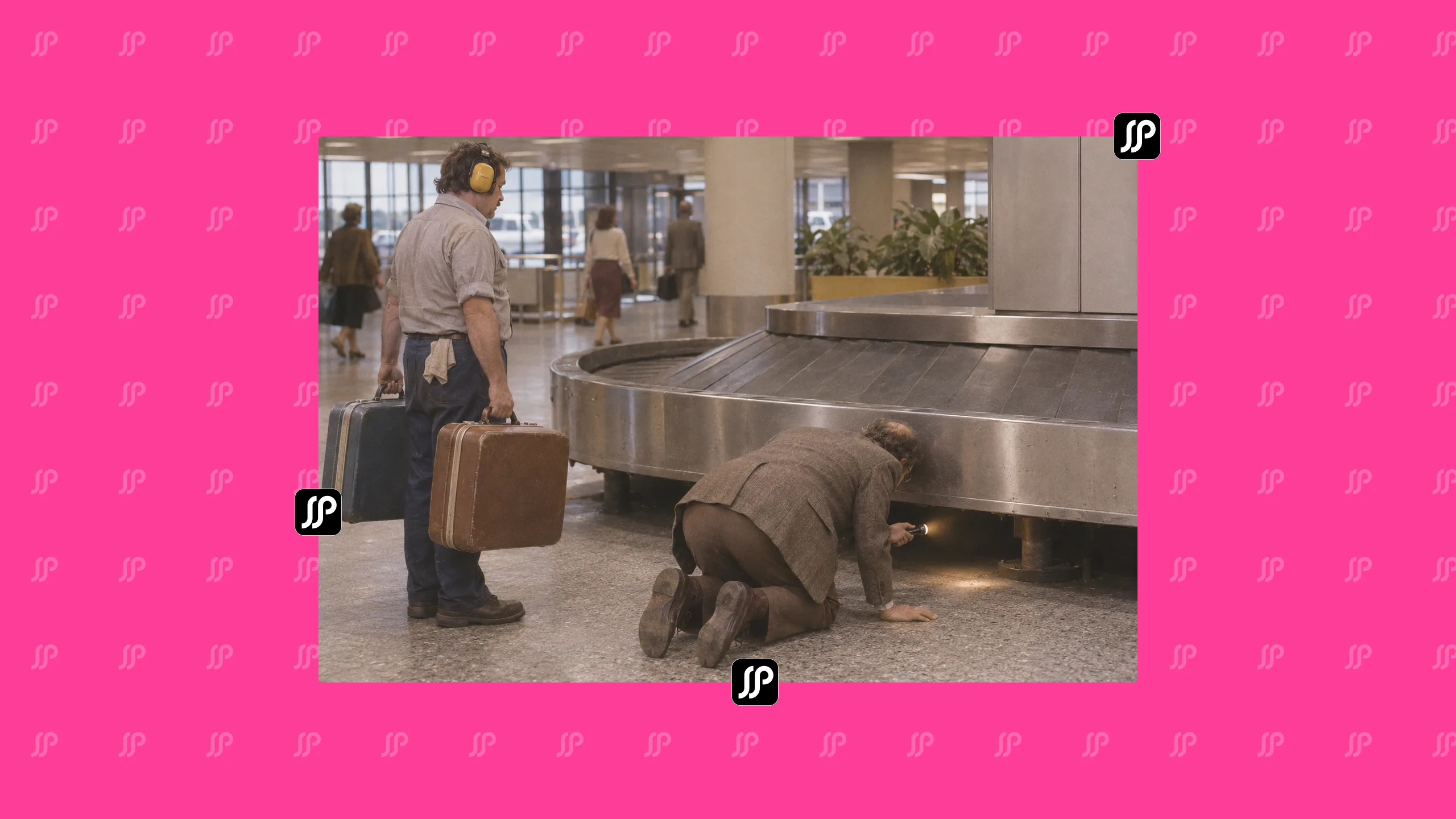
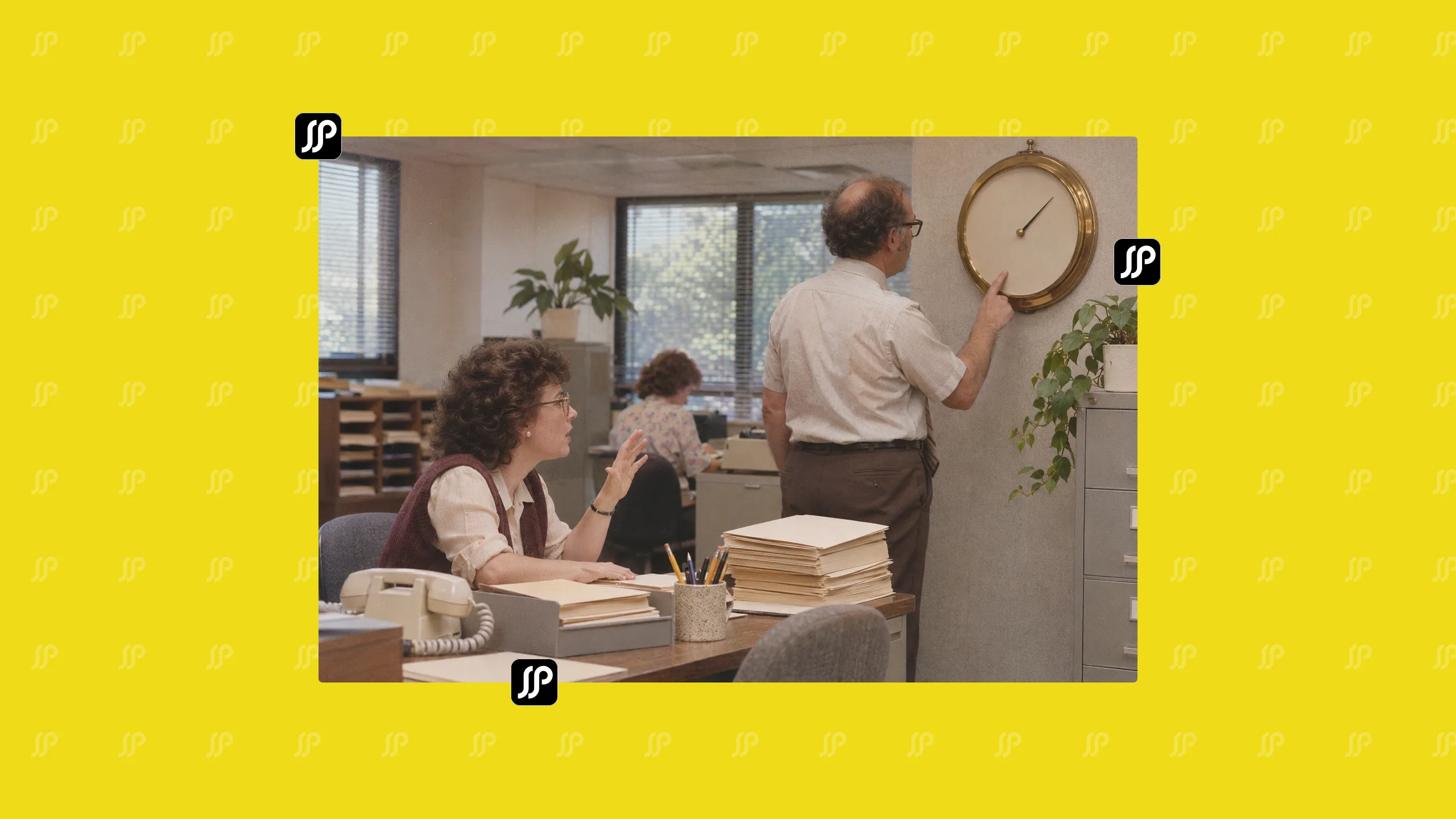
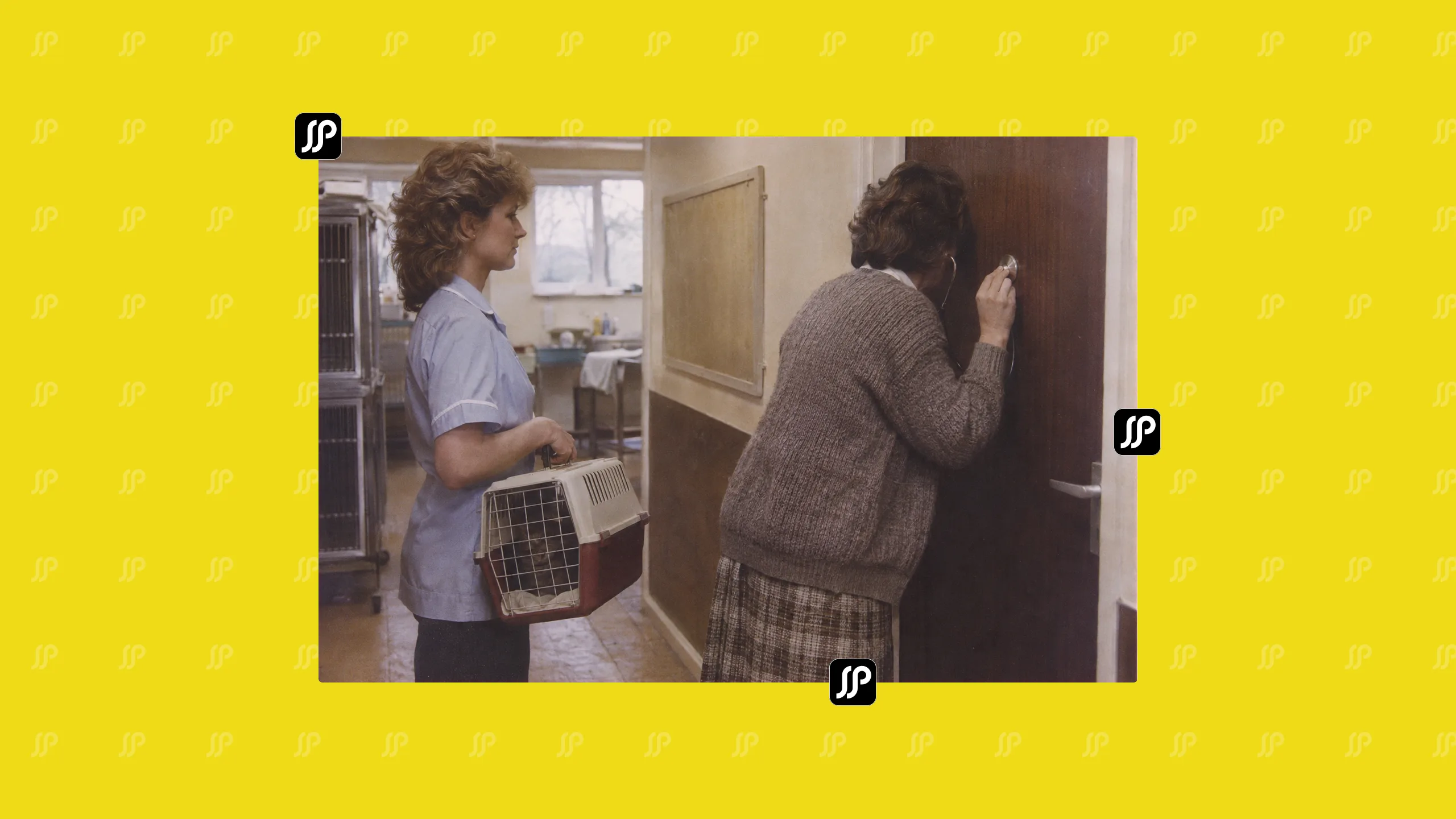
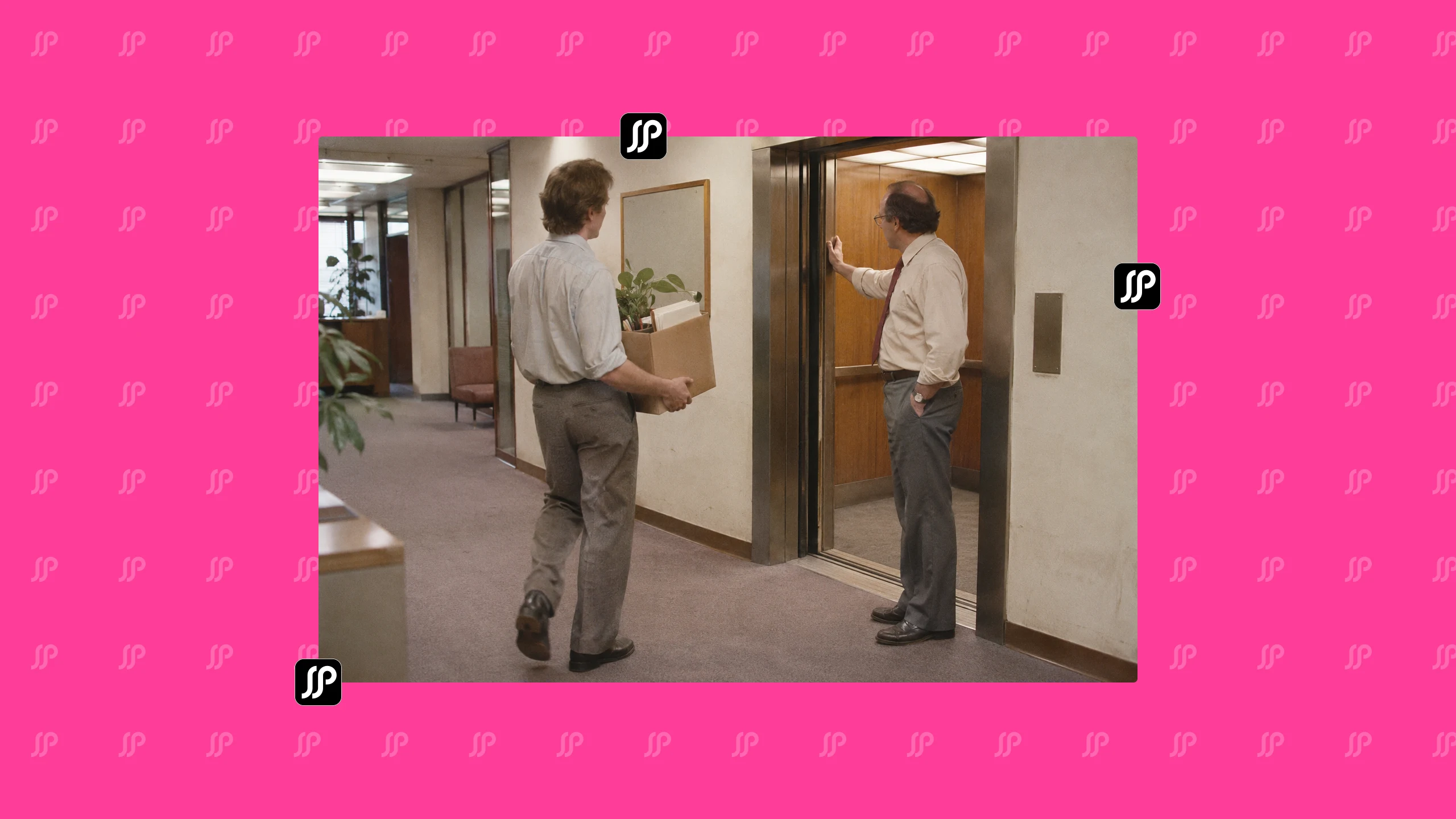
Nothing changes after an employee survey when the follow-through breaks at one of four points: the result never became a reason, nobody owned the change, people never heard about it, or nobody came back to check. Each one leaves a mark you can look for in your last survey cycle. Find the earliest point that failed and repair that first, because every later step leans on it.
Key takeaways
- Repair the earliest break first. A well-owned action built on a guessed cause still changes the wrong thing.
- A row owned by “HR” or “the leadership team” has no owner.
- A change people cannot connect to the survey looks, to them, like no change.
- Open last year’s plan well before the next invitation goes out.
Why does nothing change after an employee survey?
Because running the survey feels like the work. A 2021 systematic review in Frontiers in Psychology puts it bluntly: “Many times, organizations view the employee survey process as completed once the data have been collected.” It describes the follow-up as “often neglected”.
Gallup says 8% of employees strongly agree that their organisation acts on surveys, and 38% do not know if it acts at all. It gives no sample or year for those figures, so take them as a rough guide.
How can you tell where your last survey broke?
Pull up the results, the action list and whatever you sent to staff. Then go down this table and stop at the first row that fails.
| Failure point | Sign to check in your last cycle | It broke here if |
|---|---|---|
| 1. The result never became a reason | Write why each of your top three findings is happening, in employees’ terms, from the survey alone. | You had to guess, or two causes are still in play |
| 2. Nobody owned the change | Mark each action with one person’s name, a date, and time or money set aside. | A row that matters names a team, a function or “all managers” |
| 3. People never heard about it | Find every message sent after the survey closed. Then ask a handful of people what changed because of it. | There was one message or none, or people cannot name a change you know you made |
| 4. Nobody came back to check | See when each action was last updated and what sign of success was recorded. | Updates stop in the first month, or the next person to open the plan was preparing the new survey |
One housing association, invented for this piece, sends its annual survey out again next Monday. Its people director has just found last year’s plan in a shared folder. It has three rows. “Improve communication”, owned by the leadership team. “Review repairs workload”, owned by HR. “New tablets for surveyors”, marked done in June.
Did the result ever become a reason?
“Improve communication” gives this one away. The row exists because a score was low and the meeting needed something to write down. Communication between whom, about what?
Worked example. Spradley is built around getting to that reason. It interviews people one at a time. An AI interviewer, spoken or typed, picks up on each answer to find out what sits behind it. The report then sets out, for every area, what people see happening, the causes they name and the fixes they suggest.
At the housing association, repairs operatives might say that job notes from the call centre arrive without access details, so they drive out to locked flats. A rating cannot tell you that, and a plan written without it ends up being about newsletters.
Some questions will still be open. A leader can put one to the report. Within minutes, the engine goes back through the raw answers and returns only claims that have passed the accuracy and privacy checks. At no point does the leader see the raw text. If the evidence simply is not there, Personal Agent, a leader’s own AI agent over their reports, drafts a follow-up interview: up to three themes, with its own brief and intro. It goes nowhere until the leader confirms, and at least five people have to receive it. The answers return as a new report.
If your results came from a survey tool, the repair is the same in miniature: pick the finding, write the one question it leaves open, and put it to the people who can answer. Our triage for survey findings separates what is ready for action from what needs asking again.
Did anybody actually own the change?
“The leadership team” and “HR” are places where responsibility goes to be shared out of existence. And HR cannot change a repairs rota. The person who can is the one whose name belongs in that row. Gallup’s 2006 guidance has managers and their teams give each task an owner and set dates for follow-up, and it remains the plainest advice available.
A name is still not enough. The 2021 review says research suggests it is important “to enable managers as change agents and to provide them with sufficient resources”. So count something harder. Did the owner get hours or money, or did the action land on top of a full week?
Also check whether the action is an action. A workshop or another survey gives everyone something to attend while the problem stays where it was. Each Spradley report suggests between two and five small experiments you could begin inside two weeks. Each is assigned to a role, with a set rhythm and a sign that it has worked. Surveys and workshops are left out on purpose.
Did people ever hear what changed?
The tablets are the most interesting row, because the action happened. Ask a few surveyors why they got them, and the likely answer is that IT had some budget left. As far as they can tell, the survey changed nothing. That may be part of what sits inside Gallup’s 38%. Its figures leave room for two separate problems: action that never happened, and action nobody heard about. A blanket call for more action planning treats them as one.
So count the messages. Then ask a handful of people, away from their manager, to name one thing that changed because of the last survey. Ask about the company and never about what they said. Silence in reply is your sign, even if your action list is full of ticks.
If this is where it broke, say what happened and link it back to what people told you. Our four-part message to staff gives you the wording. A Spradley report helps at team level too, with questions a manager can raise with everyone without exposing who spoke.
Did anybody come back to check?
Open the plan’s edit history. An action that was last touched in month one probably ended in month one. Our housing association’s plan was next opened by someone preparing the new survey, which is the fourth sign in its plainest form.
Every action needs a date on which someone looks at a sign, such as how many repair jobs had to be rebooked for missing access details. Without that, “done” means the task was finished and tells you nothing about the problem.
Plans fade because remembering is nobody’s job. From a write-up, one of the documents Personal Agent builds from the reports, a leader can save a commitment. Spradley then sends a reminder by email at four weeks and again at eight, stopping once it is marked done.
What if the next survey is already scheduled?
Send it, but tell people first what became of the last one, including the parts that went nowhere. An older Gallup analysis followed workgroups across two consecutive surveys. Those in the top quartile on an action-planning item raised their engagement scores by an average of 10%, and those in the lowest quartile fell by an average of 3%. It dates from 2006, gives no sample and shows two things moving together, so it cannot prove which drives which. It does suggest that a second survey has something to lose when people feel the last plan did them no good.
The people director has a week. Rewriting three rows is possible in that time. One honest note about the tablets, the rota and the job notes is too.
What can this check not tell you?
The four points are our own reading, and we know of no study that has tested them. The 2021 review calls this literature “sparse” and “conceptually fragmented”.
- It reads records. Good work that was never written down will look like a failure, and a row with a name on it may still have been ignored.
- A handful of people is a prompt and nowhere near a measure. Keep it away from very small teams, where a reply could point at someone.
- It cannot tell you whether the action would have worked. It tells you whether anyone got far enough to find out.
- Some things will not change, such as pay fixed by an agreement. Saying so is the follow-through. Safety, harassment and discrimination go straight to the process you have for them.
What Spradley’s AI will and will not do with what employees say is written down in its constitution. If your last cycle stopped at the first row, see how a question your report cannot answer becomes a follow-up interview and a commitment someone gets reminded about.
Frequently asked questions
Why do employee surveys so often lead to no change?
Follow-through tends to break at one of four points: the results never turned into a reason, nobody owned the change, staff never heard about it, or nobody checked afterwards. Organisations often treat the survey as finished once the data is in. Find the earliest of the four that failed in your last cycle.
How do you know if your survey follow-up has failed?
Check four things from your last cycle. Can you state the cause of your top findings without guessing? Does each action have one named person, a date and resources? Can staff name a change that came from the survey? Was the plan updated after the first month?
Who should own actions after an employee survey?
One named person per action, and it should be someone with the authority to make that change. A team or a function such as HR is too vague to hold to account. That person also needs time or budget, or the action simply joins a full week.
Should you run another survey if nothing changed after the last one?
You can, but tell people what became of the last one first, including what went nowhere. Asking again in silence invites people to assume the same result. If you have only one week, an honest note is still within reach.
What if a survey finding cannot be acted on?
Say so and give the reason, along with what would reopen it. A finding about pay fixed by an agreement may be something you cannot touch this year. Telling people that is part of following through.